


Pair New Voices Then Go Solo
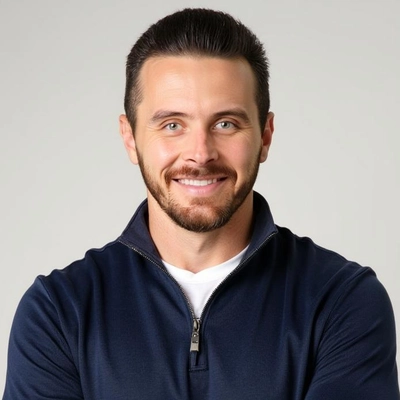 Rick ElmoreCEO · Simply Noted
I'm Rick Elmore, founder and CEO of Simply Noted, and for years I was the only spokesperson our company had, which meant every interview, every podcast, every media mention depended on my calendar. That's a fragile way to build a media presence, and it took a deliberate effort to fix.
We started by giving our head of operations and one senior engineer real practice at telling our story, not scripted talking points, but the actual anecdotes that make our robotics business interesting: the six patents pending, the fact that we're self funded since 2018, the mechanics of a machine writing a real note with a real pen. I sat in on their first few interviews and gave feedback afterward instead of writing them a script beforehand. The rotation practice that worked best was pairing a new voice with me for their first outside interview, then letting them take the next one solo.
The credibility comes from letting each person speak from their own experience instead of reciting mine. Audiences can tell the difference between a rehearsed line and someone who actually built the thing they're describing. Now when I'm unavailable, our coverage doesn't stop, it just sounds like a different person on our team, which is exactly the point.
Rotate Topic Leaders Across Audiences
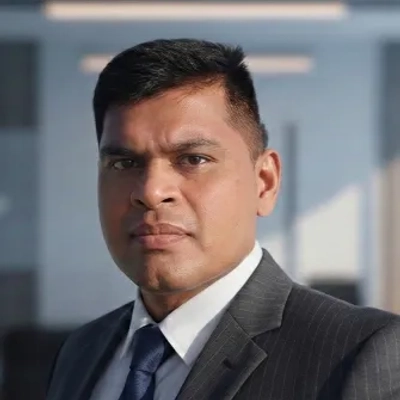 Amit AgrawalFounder & COO · Developers.dev
Establishing a sustainable spokesperson bench necessitates separating the brand's credibility from a single person's character and placing it in a common strategic plan. If the company depends on a sole person, there exists a hurdle to fast processes that threatens brand success. From my observations, the best practice to scale communication is to treat it like a technical structure: it should have one place with the overall message and one that spreads messages via experts in the domain. In this way, even different people may convey the same message.
In order to gain credibility and to sound informal at the same time, the rotation of internal topic leaders is a practice; so subject matter experts must explain complex strategic initiatives to the audiences of different representatives. For instance, it may be a software delivery manager communicating a digital marketing change to people from the finance team or an operations team, and this is what turns the expert into an ordinary speaker. As a result, this person sheds jargon and at the same time, learns the main message.
Thus, this rotation creates a culture when speaking for the company is viewed as a common routine rather than a special skill. Consequently, when these people talk to the media, they do not read prepared notes; they express their thoughts after testing their ideas through real life situations.
Grant Ownership And Bank Real Stories
 Runbo LiCEO · Magic Hour AI
Most companies overthink this. They hire media trainers, build spokesperson playbooks, run mock interviews. And then every quote from every person on the team sounds like it came from the same sterile document. The real answer is simpler and harder: give people real ownership over real decisions, then let them talk about what they actually own.
At Magic Hour, we're a two-person team, so our "bench" looks different than a 200-person company. But the principle I learned at Meta's NPE team applies at any scale. The best spokespeople aren't trained into credibility. They earn it by being the person who actually made the thing, ran the experiment, or talked to the customer. When a journalist asks them a question, they don't need talking points because they lived it.
The one practice that changed everything for me: what I call "story banking." Every week, anyone who ships something or learns something from a user writes a two-sentence version of that story in a shared doc. Not a report. Not a memo. Just: what happened, what surprised you. When it's time for someone to speak publicly, they pull from their own lived experiences, not a corporate narrative. It sounds real because it is real.
The mistake I see founders make is treating spokesperson development as a communications exercise. It's actually a leadership design problem. If only one person makes decisions, only one person has stories worth telling. Distribute decision-making and you automatically distribute credibility.
The rehearsed quality creeps in when people are speaking about things they didn't personally touch. Nobody sounds scripted when they're describing the moment a customer used their feature in a way they never expected, or when a bet they made paid off in a surprising way.
Give people something real to own, and they'll never need a script.
Separate Visibility From Rank Grow Focused Experts
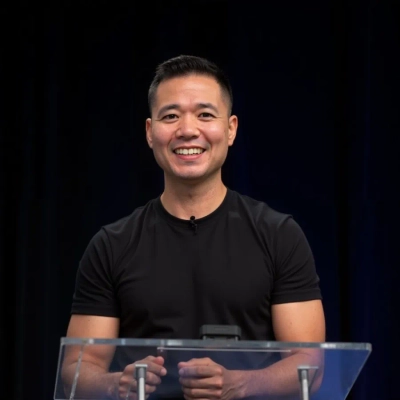 Mark BietzCMO · Halloween Costumes
We build a strong expert bench by separating visibility from seniority. We do not rely on the highest ranked person because good leaders can come from many levels. We look for people who notice changes early, explain ideas clearly, and stay calm during tough questions. We give each person a clear area of focus so their expertise can grow over time.
We keep quality high with a simple growth path. New spokespeople start with practice sessions and move toward outside opportunities when ready. We review their communication and help them improve with feedback. This approach builds trust and creates a team that can represent us well across different situations today.
Divide Subjects And Start With Low Stakes
 Victor SmushkevichFounder · Call Setter AI
A bench beats a headliner. One quiet month kills every relationship tied to a single voice. Sustainable means a few more people ready on short notice, not just one backup for emergencies. I split spokespeople by subject, not rank. The person closest to the tech takes technical questions. The one who spends the day on the phones takes volume and demand questions. New voices don't start with the biggest outlet. Low stakes come before real reach.
Nobody memorizes a script. The practice that mattered was recorded mock interviews, reviewed only for cadence, never content. A rehearsed answer has even pacing and zero hesitation. A real one has small pauses where someone's actually thinking. Hearing that gap on playback breaks the habit of reaching for polished lines. People start answering the way they'd talk across a counter instead. One honest practice round beats a stack of talking points.
Build Confidence Around Authentic Core Beliefs
 Anna MaksymenkoFounder & Marketing Director · Maxima Agency
One thing I've noticed is that spokesperson programs usually break down for one of two reasons: either only the CEO is ever prepared to speak, or the people we do train end up sounding like they're reciting talking points. That became obvious during one product launch when we needed several executives speaking with different media outlets, and it quickly became clear that only one of them felt comfortable handling interviews.
The instinct is often to over-script people, but that usually backfires. The answers can start to sound rehearsed, and journalists usually pick up on it. So instead of giving people a script, I'd spend time understanding what they genuinely believed about the topic. We'd identify two or three stories they naturally told well, then practice answering difficult questions around those ideas instead of memorizing exact wording.
The result was that interview requests no longer depended on one executive. Several leaders became comfortable representing the company on their own, which gave us much more flexibility during launches and allowed us to support more media opportunities.
The biggest lesson for me is that confidence beats perfect wording. People connect with someone who sounds genuine.
Use Sprint Demos To Prepare Builders
 Damien MourotCTO - Co-founder · AGO
As a CTO building customer AI infrastructure at AGO, I don't run our public relations, but I am part of the technical spokesperson bench our team relies on to keep media coverage from resting entirely on our CEO. Building a sustainable bench usually comes down to strictly aligning speaking opportunities with who actually built the system in question, rather than who has the most formal media training.
To prepare technical leads to speak publicly without sounding like they are reading a rehearsed marketing script, we use our internal sprint demos as our primary training ground. When our engineering leads present a new autonomous agent feature to the wider company, they have to explain the architecture and the customer impact in plain language. We treat these Friday demos as low-stakes media reps. If an engineer can clearly explain how we scaled a specific machine learning model to our sales and support staff without leaning on heavy technical jargon, they are generally ready to take an interview. It keeps their responses entirely grounded in the actual daily work they do, which translates to much higher credibility on a call with a journalist than memorized talking points.
Route Requests By Expertise Train Curiosity
 Richard MeadowsHead of Content · Streamrise
The move that built our spokesperson bench beyond one leader was matching interviews to expertise, not to seniority. Most orgs default to routing every request to the CEO, which produces two problems: the CEO becomes a bottleneck, and their voice sounds rehearsed because they're getting asked the same five questions across every reporter.
The rotation practice: I built a matrix of our team's topical expertise — content strategy, community engagement, distributed ops, growth mechanics, hiring, monetization math — and mapped each area to two potential spokespersons (primary and backup). When a reporter's question comes in, I route it to the person whose expertise most closely matches. The reporter gets sharper source. The team gets distributed visibility. The CEO stops being the only voice associated with the company.
The training piece that made this work without making voices sound rehearsed was the opposite of what most orgs do. I don't run "media training" that teaches talking points. I run what I call "genuine curiosity drills." Before a first interview, the spokesperson does three things:
- Reads the last three articles the reporter wrote. Not to prep answers — to understand what the reporter cares about.
- Writes down two specific things they've observed at the company on the topic that they'd want to share if a friend asked. Not talking points — actual observations.
- Practices explaining the topic to someone outside our industry until the explanation lands without jargon.
This inverts the traditional media training goal. The goal isn't to steer conversations toward messaging. The goal is to make the spokesperson sound like themselves under pressure, because reporters pattern-match rehearsed answers instantly.
The rotation practice that improved credibility most: I make sure any given spokesperson gets no more than three interviews on the same topic in a 12-month window. This forces them to speak from live experience, not from a script that's calcified from repetition. It also produces broader team growth — junior teammates rotate onto specific topics and grow into spokesperson roles rather than being stuck as "the person who gets the copy-desk questions."
The failure mode I've watched: sending only the CEO for six months, then desperately trying to build a bench when the CEO is unavailable. Bench-building has to happen when things are quiet, not when they're urgent. Otherwise every substitute sounds like a substitute.