
7 Preparation Steps to Take Before Pitching to Top-Tier Media Outlets
Getting featured in top-tier media outlets requires more than just a good story—it demands strategic preparation and a deep understanding of what journalists need. This article breaks down seven essential steps that will position any pitch for success, backed by insights from PR and media professionals who have secured major placements. From building credibility through niche publications to delivering journalist-ready evidence, these proven strategies remove the guesswork from the pitching process.
Establish Credibility through Niche Placements
Top-tier media journalists seek relevance from the sources we pitch. Before reaching out to top journalists, we must ensure that a quick Google search reveals our clients' credibility. Our strategy focuses on developing professional guest authorships and securing quote mentions in special-interest media, as well as securing first-time podcast interviews, before reaching out to top-tier mainstream media, including business and news outlets, as well as TV and radio stations.

Present One Proven Insight
One preparation step I always take before pitching to top-tier media is getting extremely clear on the single insight or story that actually matters. Not five talking points, not a full deck, just one angle that's both true to our experience at Eprezto and genuinely useful to their audience.
For me, that usually means looking at our own data and real lessons, like how simplifying our funnel doubled conversions, or how CAC became our north-star metric. When I anchor the pitch in something concrete we've actually lived, it immediately feels sharper and more credible.
This prep increases the chances of success because editors can sense when a pitch is built on real experience versus generic advice. A clean, focused story rooted in actual numbers and outcomes stands out a lot more than a broad "founder tips" angle.
Match Editors' Preferred Angle
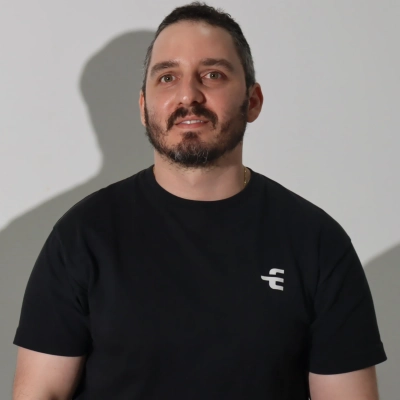
I take one key step before pitching to top-tier media outlets. I study the editor's recent stories and the angle they prefer. I do this every time because it tells me exactly what they value. It also helps me shape a pitch that feels useful instead of random.
When I reach out, I keep the message short and clear. I show how the story ties to a current trend and why my view adds something fresh. This prep helps me avoid generic lines and makes the editor feel understood. It also shows that I respect their time.
This simple step has raised my success rate at Estorytellers because editors respond faster when the pitch fits their style. They see that I did my homework. Good prep builds trust right from the first line, and that trust opens doors more than any long intro.

Align with Specific Operational Quotes
The one preparation step I take before pitching to top-tier media outlets is building a "Quote Audit Matrix" for the journalist I am targeting. I completely ignore their past articles and focus only on the specific, complex operational quotes they use from other CEOs, analysts, or experts in the last three months.
This preparation increases my chance of success because it proves I understand their specific editorial competence and language. I am not trying to sell them a generic story; I am designing my pitch to directly answer the technical questions they are currently trying to ask their audience. I model my entire argument to fit their existing narrative structure.
This ensures my quote is immediately useful. Instead of sending vague fluff about Co-Wear, I send them a quote rooted in quantifiable operational data—something like, "Here is the exact cost of the global shipping friction you wrote about last week." That immediate, contextual competence makes my pitch irreplaceable and highly actionable for their editor.
Center Story on Human Truth
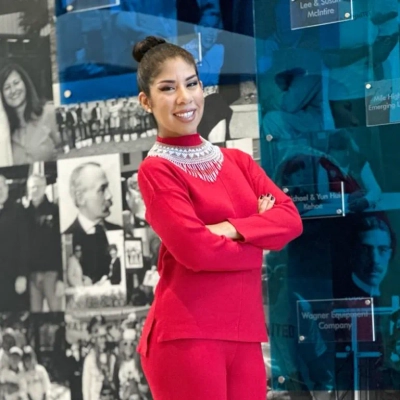
Before pitching to a major outlet, I take a step that feels a lot like the work we do at Health Rising DPC when preparing for an important patient conversation. I slow down long enough to distill the story into its most human truth. Instead of leading with credentials or polished angles, I focus on the emotional center of the message and the real-world tension it addresses. That clarity shapes everything that follows. It tells me which details matter, which can fall away, and how to speak in a way that feels grounded rather than performative.
That preparation changes the pitch completely. Editors can sense when a story has a heartbeat instead of just a hook. When the narrative is anchored in something authentic, the message cuts through the noise because it reflects lived experience rather than manufactured polish. It mirrors the way patients respond when we speak plainly about their health. The room relaxes. Trust builds. The conversation flows. Top-tier media works the same way. A pitch rooted in truth feels lighter, cleaner, and far more compelling. It gives the outlet something real to hold, and it gives me a steadier voice to present it with.

Ensure Authentic Helpful Clear Shareable Content
I like to follow my mentor, Eduard Strum's approach, that is to make sure what I'm pitching is:
1. Authentic (my distinct opinion)
2. Helpful to audience of the particular media I'm pitching to
3. Clear & easy to read
4. Tailored to be easy to read & share.
I believe that going through these 4 steps makes it easy for the media outlets to accept our pitch. I realize that reporters are super busy, and they're more likely to use helpful content if it's written in an easy to use and clear format.
(Hopefully, like what I'm doing now!)

Deliver a Journalist Ready Evidence Brief
Before pitching top-tier media outlets, I always stress-test the asset for citation readiness. My final preparation step I take is packaging data, takeaways, and proof points into a journalist-first brief—complete with a public evidence link, a pre-written 50-word summary, and a headline that can drop directly into editorial workflows for high profile publishers. This preparation increases success because writers and editors at top-tier outlets move fast, and giving them something pre-formatted for a story, not a conversation, reduces friction, increases trust, and dramatically boosts the odds they'll reference the asset.