


Fund Insights Before Visibility

The most effective tradeoff was reducing spend on polished campaign assets and moving that budget into faster market listening. Many teams invest in visibility before they build clarity, but this approach reversed that order. More time went into studying customer objections, category fatigue, and the gaps competitors kept leaving open. This shift changed how every future dollar was used.
Once these insights were clear, the first channels to fund became obvious. Priority went to spaces where ideas could be explained clearly and audiences could decide for themselves. Expensive top layer branding that looked good but offered little learning was removed. The result was sharper messaging, stronger press interest, and a higher success rate from later placements.
Shift Budget From Ads To Podcasts
 Faizan KhanPR and Content Marketing Specialist · Ubuy Indonesia
I have been serving as a Digital Marketing Manager for over 5 years. That experience made me learn to prioritise channels based on how quickly they return my investment. With a budget of $8,000 a month, I focus on the platforms that offer the most control and the highest returns first.
I distribute my funds in a smart way. 40% to owned Email. I spend the most here because you own your email list forever, and it is the best way to turn leads into customers. 35% is for earned media. I spend time on things like sending gifts to small influencers and answering media requests to get free press. 25% is allotted to paid ads. I only spend money on ads to target people who have already shown a strong interest in our services.
The biggest tradeoff I made was cutting our general LinkedIn ads, which cost $3,000 a month and only had a tiny 0.8% conversion rate. I moved that money into getting guest spots on specific podcasts.
It made a huge impact. Those 14 podcast features brought in 289 high quality leads, compared to just 41 from the ads. Our email signups also hit an 18% conversion rate after we appeared on those shows. Overall, our leads became seven times cheaper.
Back Evergreen Assets Instead Of Awareness
 Josiah RocheFractional CMO · JRR Marketing
About 70% of the budget should usually go to the channel you control and can measure week to week. Owned channels come first if the website converts, the email list is active, and there's a clear offer. Paid comes next when there's enough tracking to see cost per lead, lead-to-sale rate, and payback period. Earned media is funded after that unless there's a very specific distribution win on offer, because coverage without a follow-up path often creates a spike in attention but not much pipeline.
The deciding test is simple: fund the option that can compound and be reused. A good article on your site can rank, feed email, support sales, and improve paid landing pages. One B2B services firm cut a planned three-month PR retainer of about $6,000 a month and moved that spend into two things: customer-proof case studies and search-led comparison pages, then used a smaller paid search budget to amplify only the pages that converted. Over roughly four months, non-branded organic traffic grew about 35%, demo enquiries rose 28%, and paid cost per lead dropped from about $140 to $88 because the landing pages matched buyer intent better.
The tradeoff that paid off was cutting broad awareness activity that was hard to tie to action, and putting that money into assets that kept working after the spend stopped. I've found that when budget is lean, the best first dollars usually go to conversion fixes, high-intent content, and retargeting before PR campaigns or broad paid social.
Send Samples Win Wholesale Accounts
 Rory KeelOwner · Equipoise Coffee
When we started, our total marketing budget was about $500 a month, which isn't much for a brand trying to break into the crowded specialty coffee space. I spent the first three months spreading it across Facebook ads, Google Ads, a local magazine feature, and a handful of Instagram influencer posts. The result was a lot of impressions and almost zero measurable sales. I couldn't tell you which dollar produced which result, which meant I couldn't optimize anything. The tradeoff that changed everything was killing all paid media and putting that entire $500 into one channel: sending free sample bags to coffee shop owners within a 200-mile radius of our roastery. Each sample cost us about four dollars including shipping, so we could reach roughly 125 shops per month. No fancy packaging, no ad copy, no marketing materials — just a handwritten note saying we're a local roaster and we'd genuinely love their feedback. Out of those 125 samples, we'd typically get ten to fifteen shops that placed a wholesale order. Each wholesale account was worth $200 to $600 per month in recurring revenue. The math was absurd in hindsight — spending four dollars to acquire a customer worth $300 a month beats any paid advertisement I've ever tried. We still don't run paid ads today, three years later. Our entire growth has come from those samples, word of mouth from the cafes that carry us, and repeat subscriptions from their customers who discover our brand at the cafe. The decision to cut paid media felt terrifying at the time, but it forced us to focus entirely on the one channel that actually converted.
Replace Print With Local Search Ownership
 Ydette MacaraegMarketing coordinator · Santa Cruz Properties
I've got to be strategic with every dollar we spend at Santa Cruz Properties. When you're marketing real estate in the Rio Grande Valley, you learn quickly that throwing money at every channel doesn't work.
My hierarchy goes like this: owned channels first, earned media second, paid placements third.
Owned channels get my money before anything else. Our website, our email list, our social media accounts, these are assets we control. I'd rather invest in creating solid property listings with professional photos and detailed neighborhood guides than pay for ads that disappear once the budget runs out. We've built our email list to where we can reach potential tenants and buyers directly without paying Facebook or Google for access.
Earned media comes next because trust matters enormously in real estate. I spend time cultivating relationships with local journalists and community organizations. When the local newspaper runs a story about our affordable housing initiatives, that credibility can't be bought.
Paid placements are last, but I'm not afraid to use them when they make sense. I just want targeted campaigns with clear ROI.
The biggest tradeoff we made? We cut our print advertising budget almost entirely. We used to spend thousands on newspaper ads and those rental guide magazines. Instead, I redirected that money into Google Business Profile optimization and local SEO efforts. The results surprised even me. Our organic search traffic jumped significantly, and we started getting more qualified leads because people were finding us exactly when they were searching for properties in our area.
The lesson wasn't that print doesn't work. It's that for our specific market and budget, owning our digital presence gave us better returns than renting space in someone else's publication. We could track every click and call, which meant we could constantly improve our approach rather than guessing whether an ad actually generated any interest.
Trade Ad Spend For Expert Educational Content
 Ysabel FlorendoMarketing coordinator · SouthPoint Geodetics LLC
Running a land surveying company means we're always making choices about where to spend limited resources. We're not a big firm with a dedicated marketing department, so every dollar we allocate to visibility has to produce results. Here's how we approach the earned, owned, and paid decision.
The tradeoff that delivered outsized impact for us was cutting our paid advertising budget entirely and reinvesting that money into creating owned content. We'd typically spend about fifteen hundred dollars a month on Google Ads targeting "land survey near me" and related keywords. The leads were okay but not great, and we were competing against larger firms with deeper pockets.
We took that same fifteen hundred dollars and used it to create detailed blog posts and video content about common surveying issues in South Texas. Topics like "How to Read Your Property Survey," "Why Your Neighbor's Fence Might Not Be On Their Property," and "What to Expect During a Boundary Survey." We didn't hire a content agency. Our surveyors wrote the content themselves during slow periods.
The results surprised us. Within six months, our organic search traffic had tripled, and more importantly, the quality of incoming leads improved dramatically. People who found us through our content were already educated about what surveying involves and were more likely to hire us. They trusted us because we'd already demonstrated expertise before they ever contacted us.
The lesson is that owned content compounds over time while paid advertising stops the moment you stop paying. Every blog post we wrote two years ago still generates leads today. The Google Ads we stopped running generated zero leads the moment we paused them. For a small business with limited budget, the compounding nature of owned content makes it the better long-term investment, even if the initial results are slower to materialize.
Prioritize Paid Tests Ahead Of Press
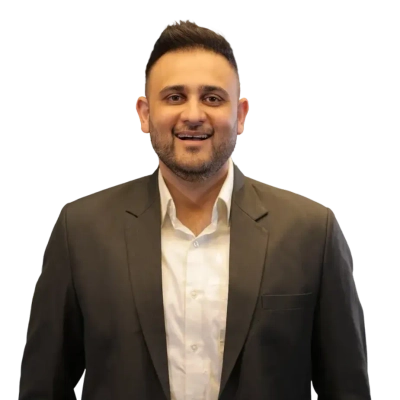 Ameet MehtaCo-Founder & CEO · VisibilityStack.ai
The honest answer on where to put a limited communications budget is that it's very industry and business dependent. Anyone who gives you a one size fits all playbook is selling something.
If I have to take an overall view across clients I've worked with, the lowest risk bet is probably Google Ads. Not because it's the highest ROI channel in every case, but because it gives you nine distinct channels you can drive conversions from and test across. Search, display, YouTube, shopping, demand gen, performance max, and the rest. Each one behaves differently and each one can be killed quickly if it's not working.
The tradeoff I've made repeatedly is starting paid before earned when budget is tight. Earned media takes a long arc to pay off. Paid gives you data in two weeks. I'll cut PR retainers to fund paid testing until we know exactly which intent pockets convert, then layer earned back on top to lower cost per acquisition.
The outsized impact comes from the sequencing, not the channel.
Target High Value Work Elevate Owned Proof
 Logan BenjaminCo-Founder · PuroClean
With a limited communications budget I prioritize owned channels and referral-focused earned media that signal higher value to partners and homeowners. At PuroClean I repositioned our messaging to emphasize complex restorations with insurance coordination and invested in upgraded photos, highlighted certifications, and detailed scopes of work. The tradeoff I made was saying no to small jobs that drained capacity and redirecting that time and modest budget into higher-quality owned assets and partner outreach. That shift led referral partners like adjusters and property managers to send better qualified leads, and clear phased pricing and documented outcomes helped premium clients respond to clarity and speed.
Chase Backlinks Over Traditional Coverage
 Hasan Can SoygökFounder · Remotify
With a limited communications budget, I prioritize earned media that yields high-quality backlinks because those links drive compounding organic reach without ongoing ad spend. At Remotify we stopped answering journalist queries for press coverage and started answering them for backlinks. The same effort produced a different result: within three months our domain authority climbed enough to push long-tail content from page three to page one. The tradeoff was cutting pursuit of traditional placements in favor of backlink opportunities, and that switch delivered outsized SEO impact compared with the coverage we passed on.
Earn Organic Reach Then Buy More
 Runbo LiCEO · Magic Hour AI
I'm Runbo Li, Co-founder & CEO at Magic Hour.
Owned channels first. Always. When you're early stage with no budget, the only asset you actually control is your ability to publish content on platforms you don't pay rent on. That's the foundation. Earned media is great but unpredictable. Paid is a multiplier, not a starting point. If your owned channels aren't converting, paid just amplifies a broken message faster.
The tradeoff we made was cutting paid acquisition almost entirely in our early days and going all in on organic social. I'm talking about me personally posting AI-generated videos every single day across TikTok, Instagram, X. No ad spend. No agency. Just relentless output. Within months, those posts reached over 200 million people. One NBA edit I made went so viral that Mark Cuban started following us, became a paying customer, and the Dallas Mavericks reached out organically. That single piece of organic content did more for our credibility and pipeline than any paid campaign could have at 100x the budget.
What I cut was the instinct to "look professional" early. No polished brand campaigns, no PR retainers, no sponsored placements. Every dollar and every hour went into making things people actually wanted to share. The content was the marketing. The product was the proof.
Here's the framework I use now. If you have limited budget, rank your channels by one metric: feedback speed. Owned social gives you signal in hours. You post, you see engagement, you iterate. Earned media takes weeks and you can't control the narrative. Paid takes money you probably need for product. So you start where the learning loops are fastest, build an audience that actually cares, and then use earned and paid to pour fuel on what's already working.
The tradeoff that delivers outsized impact is always the same: trade polish for volume. One perfect video a month loses to thirty raw ones every time. The algorithm rewards consistency, not production value. And when something hits organically, you've just found your next paid creative for free.
Don't budget for attention. Earn it first, then buy more of what already works.
Activate LSAs Trim Wasteful Clicks
 Abram NinoyanFounder & Senior Performance Marketer, GavelGrow · Gavel Grow Inc
With a limited communications budget I prioritize paid placements that produce measurable leads first, and for most legal practices that means turning on Local Service Ads when the practice qualifies. My decision begins with three questions: what is the monthly budget, how competitive the market is, and whether the firm has a Google Business Profile with real reviews. As a tradeoff I cut early spend on broad-match search and Performance Max tests and concentrated the budget on LSAs and conservative exact-match search campaigns. That shift delivered outsized early impact because LSAs show above everything else, you pay per lead not per click, and in competitive legal markets you avoid high click auctions where personal injury CPCs can run $80 to $150.
Lead Through Credibility Layer Channels Sequentially
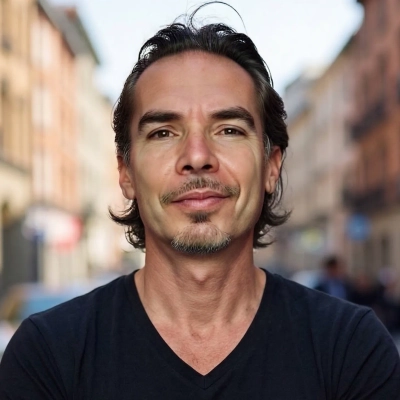 Liviu MultiplyFractional CMO · Multiply CMO
When budget is genuinely limited, the sequencing of earned, owned, and paid matters more than the allocation split. The mistake most teams make is running all three simultaneously at underfunded levels. You end up with a PR effort too thin to land coverage, social channels too sparse to build community, and paid placements too small to generate meaningful reach. Everything looks active. Nothing moves.
The framework I use: earned first, owned second, paid third - in that order of priority when budget forces a choice. Earned media builds the third-party credibility that makes owned channels worth following and paid placements worth clicking. Without it, you're asking strangers to trust a brand they've never heard validated by anyone they trust.
The clearest example I can give is the launch of AFTERHILLS, a major international music festival I co-founded in Romania. Launching a brand new festival means asking people to buy tickets to an event that has never happened, from an organiser they don't know, in a market with established competing events. Paid advertising into that context is expensive and inefficient - you're fighting both awareness and trust simultaneously.
Our first communications budget went almost entirely into earned media: getting music press, lifestyle publications, and cultural journalists to cover the concept before a single ticket went on sale. Not reviews (those come later). Announcement coverage, artist reveal stories, behind-the-scenes access pieces. Third-party validation from publications the audience already trusted.
Owned channels (social, email, content) came second, built on the credibility that press coverage had established. Paid amplification came last, and only behind content that had already demonstrated organic engagement, so the budget went into accelerating what was already working rather than funding what wasn't.
The tradeoff we made: we cut the launch paid media budget by 60% and redirected it into PR and influencer relationships. The instinct in the team was that cutting paid reach would hurt ticket sales. It didn't. First edition sold out. The earned coverage gave paid media a warm audience to convert rather than a cold one to convince.